
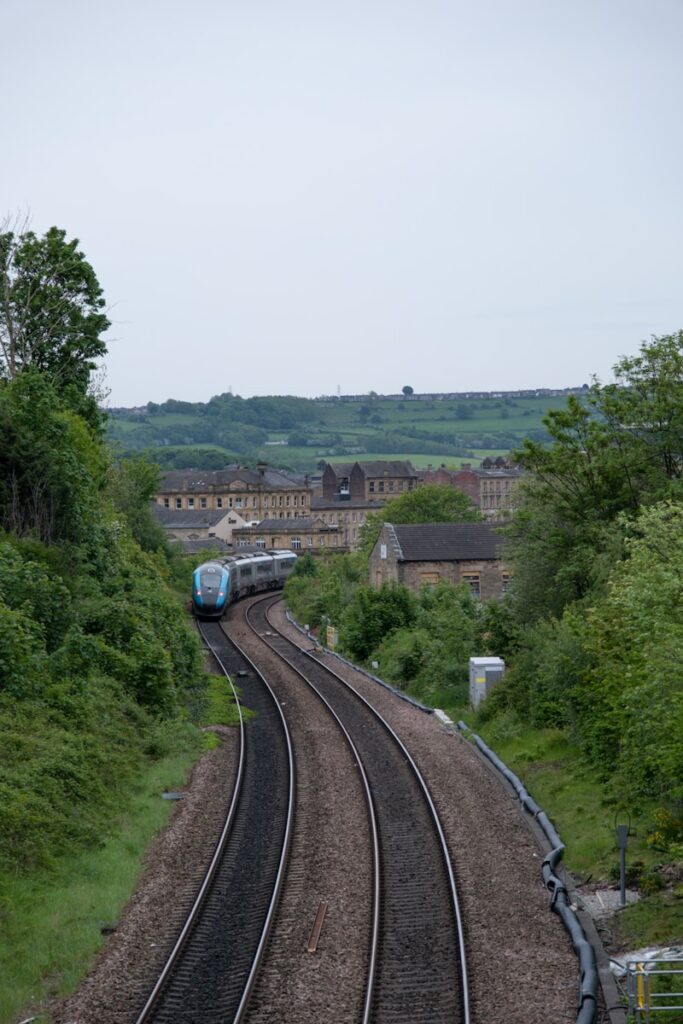

Modular Railway Cabinets are increasingly used across UK rail infrastructure projects to provide flexible, scalable solutions for housing signalling, power, and communication equipment. As rail networks evolve and assets require regular upgrades, modular cabinet designs offer clear advantages over traditional fixed enclosures.
Modern rail projects must accommodate future expansion, technology changes, and varying site constraints. Modular railway cabinets are designed to meet these challenges by allowing systems to be configured, extended, or adapted without the need for complete replacement.
Across the UK rail network, modular cabinets are now commonly specified for both new installations and upgrades to existing infrastructure.
For projects requiring flexibility and future expansion, Alias Trading UK supports modular railway cabinet solutions that allow infrastructure to adapt over time. Modular approaches help rail clients accommodate upgrades without unnecessary replacement of existing assets.
What Are Modular Railway Cabinets?
Modular railway cabinets are enclosure systems made up of individual sections or units that can be combined to create a larger, integrated cabinet solution. Each module is designed to connect seamlessly with others, allowing the overall cabinet size and layout to be adjusted to suit specific project requirements.
This modular approach enables rail projects to scale cabinet capacity as equipment requirements change, rather than relying on oversized fixed cabinets or costly replacements.
Benefits of Modular Railway Cabinets
One of the main benefits of modular railway cabinets is flexibility. Rail projects often evolve over time, with additional signalling equipment, power systems, or communication devices added after initial installation. Modular cabinets allow these changes to be accommodated with minimal disruption.
Another key advantage is efficiency during installation. Modular railway cabinets can be transported and installed in stages, which is particularly useful in locations with restricted access or limited possession windows. Smaller modules are easier to handle and position compared to large, single-piece enclosures.
Modular designs also support standardisation across projects. Using consistent cabinet modules can simplify maintenance, spare parts management, and training for maintenance teams.
Applications Across the UK Rail Network
Modular railway cabinets are used in a wide range of applications, including trackside signalling, power distribution, control systems, and communications infrastructure. They are particularly useful in complex installations where multiple systems must be housed together while remaining clearly separated.
Stations, depots, and mainline routes all benefit from modular cabinet solutions, especially where future expansion is likely. Modular railway cabinets allow infrastructure to be developed in phases without compromising performance or safety.
Materials and Construction
Modular railway cabinets are commonly manufactured from GRP or steel, depending on environmental and security requirements. GRP modular cabinets offer corrosion resistance and low maintenance, making them suitable for outdoor installations with high exposure to weather.
Steel modular railway cabinets may be selected where enhanced physical security or impact resistance is required. In both cases, modular construction must maintain structural integrity and environmental sealing across all joined sections.
Quality modular systems are designed to ensure that joints between modules do not compromise protection against water ingress or dust.
Installation and Integration Considerations
Installing modular railway cabinets requires careful planning to ensure proper alignment, sealing, and cable management. Foundations and bases must be designed to support the full modular configuration, including potential future expansion.
Cable routing between modules must be organised to maintain accessibility and prevent congestion. Proper planning at the design stage helps avoid complications during later upgrades.
Experienced rail installation teams understand how to integrate modular railway cabinets into live or controlled environments, minimising disruption to operations.
Supporting Future Rail Upgrades
One of the strongest arguments for modular railway cabinets is their ability to support future upgrades. As signalling technology evolves and digital systems become more widespread, cabinet requirements often change.
Modular systems allow additional capacity to be added without replacing the entire enclosure. This approach reduces waste, lowers lifecycle costs, and supports more sustainable infrastructure development.
Rail projects aligned with Network Rail infrastructure strategies increasingly favour modular solutions to improve adaptability and long-term value.
Risk Reduction and Lifecycle Performance
Using modular railway cabinets can reduce project risk by allowing infrastructure to adapt to changing requirements. Instead of over-specifying cabinets at the outset, modular systems enable a more measured approach that aligns capacity with actual demand.
Over the lifecycle of a rail asset, this flexibility can result in fewer disruptions, reduced capital expenditure, and improved reliability.
Guidance from industry bodies such as Network Rail and oversight from the Office of Rail and Road reinforce the importance of resilient, adaptable infrastructure that can respond to future operational needs.
Summary
Modular railway cabinets provide a flexible and future-ready solution for UK rail infrastructure projects. Their ability to scale, adapt, and support evolving technology makes them a practical choice for modern rail environments. By selecting well-designed modular systems and planning for integration from the outset, rail projects can achieve long-term performance, efficiency, and value.