
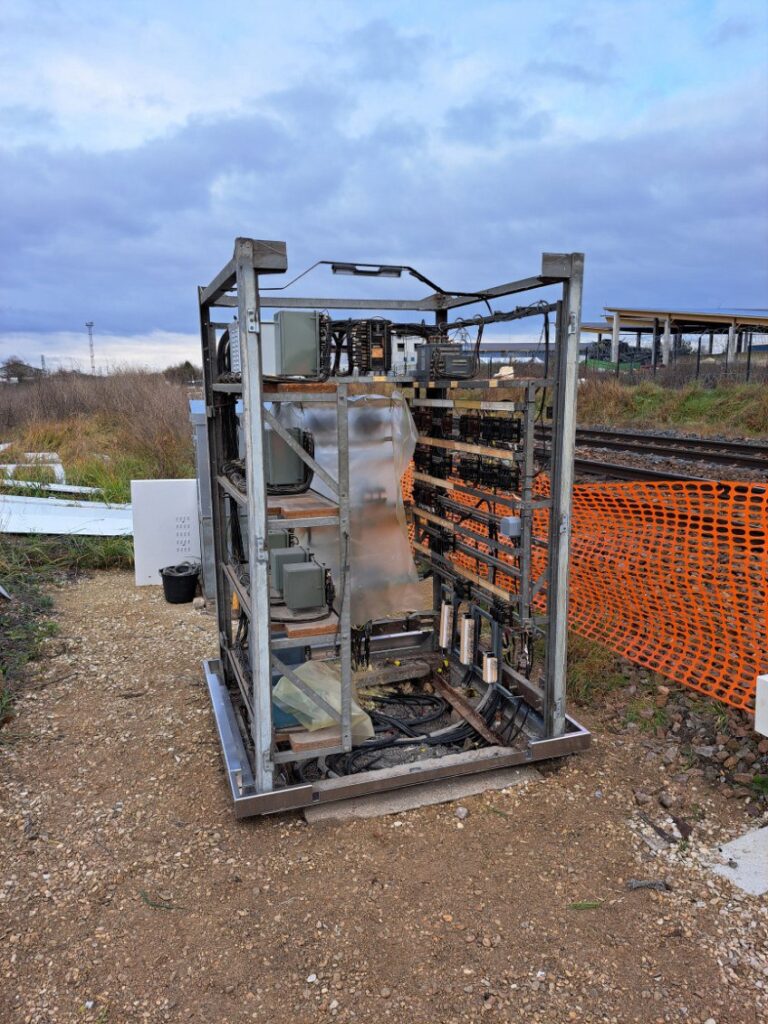

Railway Electrical Cabinets UK for Power and Control Equipment
Railway electrical cabinets are a critical part of rail infrastructure across the UK. They house the power and control equipment that keeps signalling systems, communications, and other railway assets operating safely and reliably. Although these cabinets are often positioned quietly along the railway, their performance has a direct impact on day-to-day operations.
In the UK rail environment, electrical cabinets must operate continuously in exposed outdoor locations. They are subject to weather, vibration, restricted access, and strict safety expectations. If an electrical cabinet fails, the result can be equipment outages, service disruption, and increased safety risk.
For this reason, railway electrical cabinets must be designed, supplied, and installed with long-term performance in mind. ALIAS Trading UK supplies railway electrical cabinets that focus on durability, safe access, and practical use in real UK rail conditions.
What Are Railway Electrical Cabinets?
Railway electrical cabinets are secure enclosures used to house power distribution and control equipment across rail infrastructure. They are commonly installed trackside, in stations, depots, substations, and infrastructure compounds.
Typical equipment housed inside railway electrical cabinets includes:
-
Electrical power supplies
-
Control and protection equipment
-
Distribution boards and isolators
-
Monitoring and interface devices
This equipment supports a wide range of railway systems, making the cabinet that protects it a safety-critical asset.
Why Electrical Cabinets Are Essential to UK Rail Operations
The UK rail network depends on reliable electrical systems. Power interruptions or control failures can quickly affect signalling, communications, and passenger services.
Poorly specified or ageing electrical cabinets can lead to:
-
Water ingress damaging electrical components
-
Corrosion affecting internal fixings and connections
-
Unsafe access conditions for maintenance staff
-
Increased fault rates and unplanned interventions
A well-designed electrical cabinet reduces these risks and supports stable rail operations.
Environmental Challenges for Electrical Cabinets in the UK
Railway electrical cabinets are often installed in exposed locations. Over time, environmental factors place continuous stress on cabinet materials and construction.
Weather Exposure
Electrical cabinets must withstand rain, frost, heat, and temperature variation. Without proper sealing and protection, moisture can damage sensitive electrical components.
Vibration and Movement
Passing trains generate vibration that can affect fixings and connections. Cabinets must remain structurally sound and securely mounted throughout their service life.
Public Access and Security
Many electrical cabinets are located near public areas. Secure construction and controlled access are essential to prevent interference or accidental damage.
Rodents and Environmental Debris
Rodent ingress and debris are common causes of electrical faults. Cabinets must be designed to limit access points and protect internal cabling.
Each of these factors must be considered when specifying electrical cabinets for rail use.
Materials and Cabinet Construction
The materials used in railway electrical cabinets have a direct impact on safety and lifespan. Cabinets that appear suitable at installation can degrade quickly if materials are not appropriate for outdoor environments.
Important construction considerations include:
-
Resistance to corrosion over many years
-
Structural strength to protect internal equipment
-
Durable doors, hinges, and locking systems
-
Effective weather sealing
Good construction quality reduces maintenance demands and supports long service life.
Electrical Safety and Internal Segregation
Electrical safety is one of the most important aspects of railway electrical cabinet design. Cabinets often contain live components that must be accessed safely during inspections and maintenance.
Key safety considerations include:
-
Clear segregation of electrical circuits
-
Safe working clearances
-
Clear identification of live components
-
Logical internal layout
A well-designed cabinet supports safe working practices and reduces the risk of accidents.
Internal Layout and Maintenance Access
Electrical cabinets are accessed regularly by engineers. Internal layout plays a major role in how quickly and safely maintenance tasks can be carried out.
A well-designed electrical cabinet allows for:
-
Clear organisation of equipment
-
Safe access to control and isolation points
-
Logical cable routing and fixing points
-
Space for future upgrades or changes
Poor internal layout increases maintenance time and the risk of human error.
Ventilation and Thermal Management
Electrical equipment generates heat during operation. If this heat is not managed effectively, component lifespan and performance can be reduced.
Railway electrical cabinets must balance:
-
Adequate ventilation
-
Protection against moisture and debris
-
Stable internal operating conditions
Good thermal management supports long-term equipment reliability.
Compliance and Rail Industry Expectations
Railway electrical cabinets installed in the UK are expected to align with rail industry standards and project-specific requirements. Compliance ensures safety and consistency across the network.
Typical expectations include:
-
Structural integrity and stability
-
Electrical safety and segregation
-
Secure access and locking systems
-
Clear identification and labelling
Non-compliant cabinets can delay approvals and increase project costs.
Installation in Live Rail Environments
Installation of electrical cabinets often takes place close to live railway operations. This adds complexity and risk to installation activities.
Cabinet design should support:
-
Efficient handling and positioning
-
Secure fixing to foundations or bases
-
Safe installation during limited access windows
Cabinets that are difficult to install can increase possession time and site risk.
Long-Term Performance and Lifecycle Value
Railway electrical cabinets are long-term assets. Their true cost is measured over their full service life, not just at installation.
A well-specified electrical cabinet provides:
-
Reduced corrosion and degradation
-
Fewer maintenance interventions
-
Lower risk of electrical faults
-
Extended service life before replacement
Focusing on lifecycle performance helps infrastructure owners control costs and maintain reliability.
How ALIAS Trading UK Supports Electrical Cabinet Projects
ALIAS Trading UK supplies railway electrical cabinets with a clear understanding of UK rail operating conditions. The focus is on practical performance and long-term reliability.
This approach includes:
-
Selecting materials suitable for outdoor rail environments
-
Ensuring secure, durable construction
-
Supporting safe maintenance access
-
Considering future upgrades and adaptability
By focusing on real operational needs, ALIAS Trading UK supports projects that require dependable electrical cabinet solutions.
Selecting the Right Railway Electrical Cabinet
When choosing railway electrical cabinets for UK projects, decision-makers typically consider:
-
Environmental exposure and site conditions
-
Electrical safety and compliance requirements
-
Maintenance access and working conditions
-
Expected service life
Choosing the right cabinet from the outset reduces risk and supports reliable railway operations.
Conclusion
Railway electrical cabinets are essential to the safe and reliable operation of the UK rail network. They protect power and control equipment that supports signalling, communications, and infrastructure systems.
Well-designed electrical cabinets reduce failure risk, improve maintenance efficiency, and extend service life. By supplying railway electrical cabinets focused on durability, safety, and long-term performance, ALIAS Trading UK supports power and control systems that UK rail infrastructure depends on.