
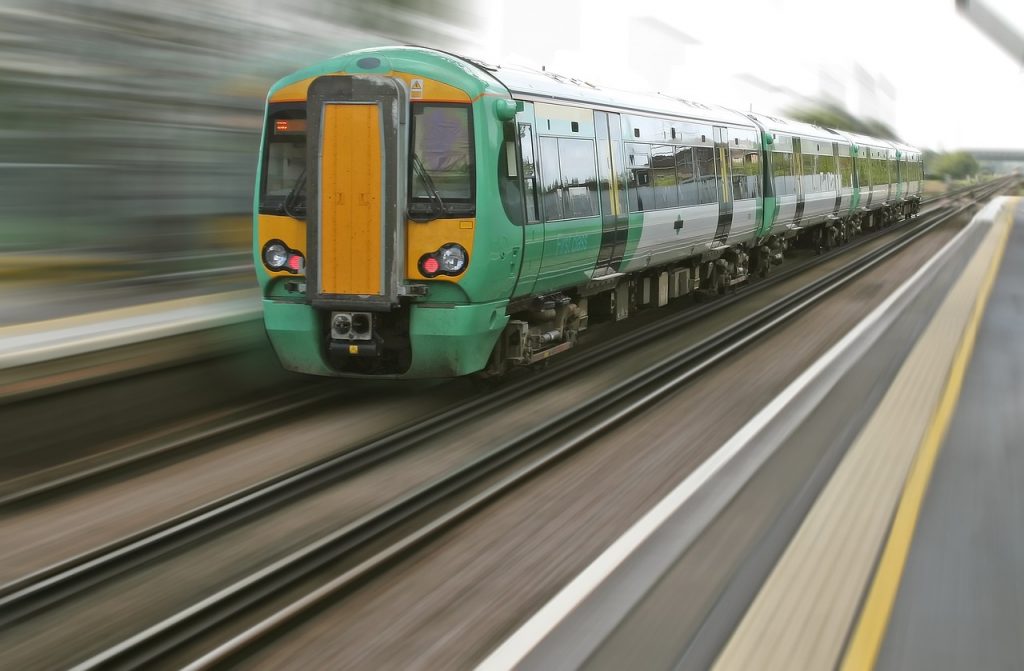

Railway Trackside Enclosures UK are installed to protect critical railway equipment in some of the harshest operating conditions in the country. They must handle wind-driven rain, ballast dust, vibration, temperature swings, condensation, vandal risk, and limited access — all while keeping equipment safe and maintainable for years.
This guide explains how to specify trackside enclosures properly in the UK, what practical factors matter most on real sites, and how to avoid common mistakes that lead to faults, water ingress, rework, and increased maintenance cost.
For a wider overview of cabinet and enclosure categories, see the ALIAS Trading UK page on Railway cabinets.
What “trackside enclosures” mean in a UK rail context
“Trackside enclosure” is a broad term. In practice, it can refer to enclosures used for:
- Signalling interface and control equipment
- Power distribution and protection devices
- Telecom and data equipment (route dependent)
- Monitoring and condition equipment
- Termination and marshalling points
- Equipment associated with crossings and lineside systems
Because these applications vary widely, the enclosure specification must start from the equipment inside and the conditions outside — not just dimensions.
Why trackside enclosures fail (and what causes repeat faults)
Most failures happen for practical reasons that were not fully considered at specification stage:
- Water ingress through cable entry points or base interfaces
- Condensation cycling that damages electronics and terminations
- Overheating due to underestimated heat load or solar gain
- Seal degradation from weak door structure or hinge misalignment
- Vandal damage or tampering in exposed locations
- Poor internal layout that increases maintenance time and fault risk
- Unclear specification, forcing suppliers to guess critical details
When an enclosure is specified properly, these risks can be reduced significantly.
Start with the environment: define exposure, not assumptions
Trackside conditions vary dramatically. A good Railway Trackside Enclosures UK specification begins with a short site exposure summary:
Weather and water exposure
- Wind-driven rain and prolonged damp conditions
- Freeze/thaw cycles and seasonal temperature swings
- Direct sun exposure vs shaded areas
- Standing water risk near the base due to drainage conditions
Contamination and corrosion risk
- Coastal exposure and salt-laden air
- Industrial contamination
- Ballast dust, brake debris, and vegetation buildup
- Likely presence of rodents and nesting risk (site dependent)
Security and access profile
- Public-facing sites (stations, footpaths, bridges) vs remote route assets
- History of vandalism or tampering in the area
- Whether the enclosure will be visible and accessible
If you don’t define these points, suppliers must assume a generic exposure case, which often leads to enclosures that degrade faster than expected.
Materials and construction: focus on long-term performance
There are multiple material approaches used for trackside enclosures. The best choice depends on corrosion risk, security needs, and maintenance expectations.
Instead of focusing on the headline material name, specify performance-relevant construction details:
- Door stiffness and hinge quality to maintain seal compression over time
- Sealing system durability and correct compression design
- Base and plinth interfaces designed to prevent water tracking
- Fixings and penetrations that do not become corrosion points
- Internal mounting structures that remain stable and serviceable
A strong enclosure is one that stays aligned, sealed, and maintainable years after installation.
Ingress protection: the weakest point is usually cable entry
Many water ingress problems occur at cable entry — not through the main enclosure walls.
Define your cable entry strategy clearly:
- Entry location: bottom, rear, side, or mixed
- Number of entries and gland sizes
- Spare capacity for future additions or changes
- Segregation needs: power vs data, or other rules
- Removable gland plates vs fixed drilling patterns
- How unused entries will be sealed and controlled
If cable entry is left vague, it often becomes a late on-site decision. That is where “paper performance” fails in real conditions.
If waterproof resilience is a key concern, link internally to Waterproof cabinet guidance on ALIAS Trading UK.
Condensation control: the most common hidden failure mode
Even if an enclosure is technically “watertight,” condensation can still destroy equipment. Trackside enclosures experience daily and seasonal temperature changes that draw moist air in and out, causing internal moisture cycling.
Practical condensation control measures
- Anti-condensation heaters to stabilise internal temperature
- Controlled ventilation strategies (often filtered where appropriate)
- Layout design that avoids moisture traps and stagnant areas
- Avoiding uncontrolled openings that introduce dust and water
Condensation control must match the equipment heat load and the site exposure. A single generic approach is rarely optimal.
Thermal management: specify heat load, not guesswork
Overheating causes faults, instability, and shorter component life. It is common for heat to be underestimated, especially when equipment lists change.
To specify thermal behaviour, provide:
- Equipment list (or functional description) and estimated power consumption
- Any PSU and battery charging heat contribution
- Expected ambient range at the site
- Whether the enclosure will be in direct sun for long periods
- Any restrictions on vents or fan use
Thermal control can range from passive strategies to filtered ventilation or more active approaches depending on heat load. The correct choice is the one that keeps equipment stable without creating an unmanageable maintenance burden.
Internal layout and maintainability: design for fault visits
An enclosure that is difficult to work in increases costs for every inspection and fault response.
Layout principles that reduce long-term cost
- Clear cable containment routes and tie points
- Segregation of functions where needed (power vs sensitive equipment)
- Working clearance for technicians and test access
- Spare space and spare containment for future changes
- Labels that remain readable and consistent over time
- Service loops where appropriate, without creating cable clutter
A neat layout is not just aesthetics — it reduces fault time and reduces the chance of accidental damage during maintenance.
Security and vandal resistance: match the enclosure to the site risk
Trackside enclosures are often targeted because they are visible and perceived to contain valuable equipment.
Security measures should be risk-driven:
- Robust door structure and protected locking points
- Lock design that resists prying and tampering
- Anti-tamper fixings for external components
- Hinge protection and long-term alignment stability
- Internal shielding where appropriate to reduce the impact of attempted entry
If vandal risk is relevant, link internally to Anti-vandal measures for modern rail infrastructure.
Base, plinth, and installation constraints: where good designs go wrong on site
The base interface is a common starting point for ingress issues. Installation also introduces constraints that influence design:
Define:
- Base/plinth approach and interface assumptions
- Duct alignment and cable routes
- Ground conditions and drainage considerations
- Door swing constraints and safe working clearance
- Avoiding trip hazards and unsafe working posture
- Project-specific bonding/earthing expectations
If installation planning support is needed, link internally to Railway cabinet installation services UK.
Documentation and traceability: make it part of the deliverable
Even without making claims about approvals, a trackside enclosure solution should come with clear documentation that supports consistent installation and maintenance.
Typically useful items include:
- Dimensional drawings and fixing point details
- Cable entry and gland plate arrangement
- Internal layout guidance (drawings or build photos)
- Functional bill of materials or assembly breakdown
- Labelling and identification approach
- O&M guidance for any thermal/condensation components
For practical orientation around Network Rail-style expectations, see Meeting Network Rail standards (as guidance rather than a claim of approval).
Common mistakes when specifying Railway Trackside Enclosures UK
1) Buying by dimensions only
Size is not enough. The enclosure must manage water, humidity, temperature, and access.
2) Leaving cable entry to the last minute
Late site drilling often compromises sealing and long-term performance.
3) No condensation plan
Condensation causes repeat faults even when water ingress is not visible.
4) Underestimating heat load and solar gain
Enclosures in direct sun can run hot quickly.
5) Not designing for maintenance visits
If technicians cannot access equipment safely and efficiently, costs rise rapidly.
6) Over- or under-specifying security
Security should match risk. Over-specifying everywhere increases cost; under-specifying in high-risk sites leads to damage.
What to prepare before speaking to a supplier
To get a suitable enclosure proposal quickly, prepare:
- Site exposure summary (water, dust, corrosion, public access risk)
- Equipment list (or functional description) and estimated heat load
- Preferred mounting approach (rack/backplate/hybrid)
- Cable entry needs: number of ducts, sizes, segregation rules
- Access constraints: footprint, height limits, door swing limits
- Security expectations based on site risk
- Maintenance approach: inspection frequency, filter servicing if applicable
- Timeline and whether installation support is needed
Clear inputs reduce assumptions and reduce rework.
Practical Checklist
Use this checklist to sanity-check your Railway Trackside Enclosures UK specification:
- Confirm environment and exposure (water, dust, corrosion, sun)
- Define ingress expectations and cable entry strategy
- Include condensation control measures suitable for the site
- Estimate heat load and note direct sun exposure
- Define internal layout requirements and spare capacity
- Confirm security/vandal risk level and required features
- Clarify base/plinth interface and duct alignment
- Require documentation: dimensions, entry details, layout guidance, O&M notes
- Define labelling expectations and identification approach
- Confirm maintenance access and safe working clearance
FAQ: Railway Trackside Enclosures UK
What are Railway Trackside Enclosures UK used for?
Railway Trackside Enclosures UK are used to protect critical trackside equipment, including control, power, interface, monitoring, and sometimes communications hardware, in outdoor rail environments.
What causes the most failures in Railway Trackside Enclosures UK?
The most common causes are water ingress at cable entry or base interfaces, condensation cycling, overheating, vandal damage, and poor maintainability that increases fault response time.
Do Railway Trackside Enclosures UK need condensation control?
Often, yes. Condensation is a frequent hidden issue. Anti-condensation measures such as heaters or controlled ventilation can reduce damp-related faults significantly.
How should cable entry be specified for Railway Trackside Enclosures UK?
Define entry location, number of ducts, gland sizing, spare capacity, and segregation rules early. Cable entry is one of the most common weak points if left vague.
Are Railway Trackside Enclosures UK always ventilated?
Not always. Ventilation depends on heat load and exposure. If ventilation is used, it should be designed to avoid introducing dust and water ingress and to fit the maintenance regime.
What security level is appropriate for Railway Trackside Enclosures UK?
Security should match site risk. Public-facing locations often need stronger anti-tamper and anti-pry features, while remote sites may prioritise environmental protection and maintainability.
Can ALIAS Trading UK help with Railway Trackside Enclosures UK selection?
ALIAS Trading UK can support specification and selection of Railway Trackside Enclosures UK by helping define practical requirements around environment, layout, cable entry, access constraints, and installation planning.