
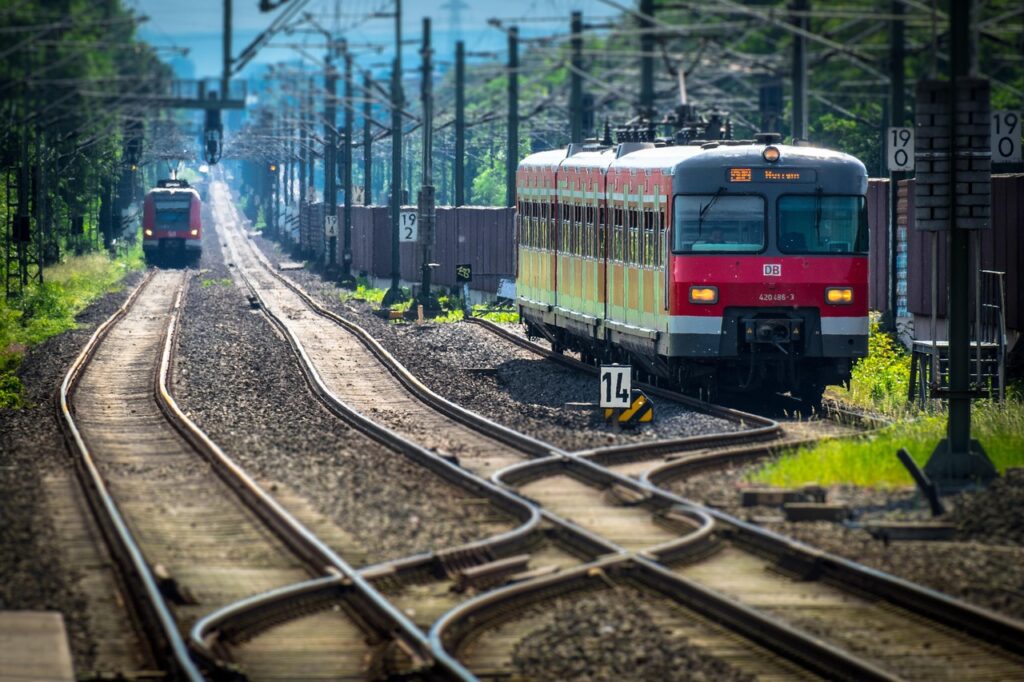

Cabinets installed on
Network Rail Cabinet Requirements and Practical Compliance
Cabinets installed on Network Rail infrastructure are not just ordinary enclosures. They are part of a tightly controlled rail environment where safety, reliability, and consistency are essential. Whether a cabinet houses signalling equipment, power distribution, or telecommunications systems, it must meet specific expectations to be accepted and operated safely on the UK rail network.
Understanding Network Rail cabinet requirements is not only about reading standards. It is about applying those requirements in a practical way that works on real sites, under real conditions, over many years of service. Cabinets that appear compliant on paper can still cause problems if they are poorly designed, difficult to maintain, or unsuitable for their environment.
ALIAS Trading UK supplies rail cabinets with a strong focus on practical compliance, ensuring that cabinets meet Network Rail expectations while remaining workable for installation and long-term maintenance.
Why Network Rail Cabinet Requirements Matter
Network Rail is responsible for the safe operation and maintenance of a large proportion of the UK rail network. To manage this responsibility, Network Rail sets clear expectations for infrastructure components, including cabinets installed trackside, in stations, depots, and compounds.
Cabinet requirements exist to ensure:
-
Safety of railway staff and the public
-
Protection of safety-critical equipment
-
Consistency across the rail network
-
Long-term reliability and maintainability
If a cabinet does not meet these expectations, it can delay project approvals, require costly modifications, or be rejected entirely.
What Network Rail Expects from Rail Cabinets
Network Rail cabinet requirements cover more than just basic enclosure strength. They consider how cabinets perform throughout their service life and how they are used by engineers in operational environments.
While exact requirements vary depending on application and project scope, common expectations include:
-
Robust construction suitable for outdoor rail environments
-
Secure access to prevent unauthorised entry
-
Safe internal layout for maintenance activities
-
Durability over long service periods
These expectations aim to reduce operational risk and ensure consistency across the network.
Structural Integrity and Durability
Cabinets installed on Network Rail infrastructure must be structurally sound. They are often installed in exposed locations where they are subject to weather, vibration, and occasional impact.
Structural considerations typically include:
-
Resistance to corrosion over time
-
Strength to protect internal equipment
-
Stable fixing and mounting arrangements
-
Doors and hinges that remain functional over many years
Cabinets that degrade structurally can become unsafe to access and may need premature replacement.
Environmental Protection and Weather Resistance
UK rail cabinets are exposed to a wide range of weather conditions. Network Rail expects cabinets to protect internal equipment from environmental damage throughout the year.
Key environmental considerations include:
-
Protection against rain and moisture ingress
-
Resistance to temperature variation
-
Sealing to prevent dust and debris entering the cabinet
Failure to manage environmental exposure is a common cause of equipment faults and maintenance issues.
Security and Controlled Access
Security is a major consideration for Network Rail cabinets. Many cabinets are located in areas accessible to the public, making controlled access essential.
Typical security expectations include:
-
Secure locking systems
-
Robust doors and panels
-
Resistance to tampering or forced entry
Secure cabinets protect equipment from vandalism and reduce the risk of interference with railway operations.
Internal Layout and Safe Working Conditions
Network Rail places strong emphasis on safe access and maintainability. Cabinets are regularly accessed by engineers for inspections, fault finding, and upgrades.
A compliant cabinet should allow for:
-
Safe access to internal equipment
-
Clear separation of electrical and control components
-
Logical cable routing and fixing points
-
Adequate space to work safely
Poor internal layout increases the risk of accidents and slows maintenance activities.
Electrical Safety and Segregation
Electrical safety is a critical part of cabinet compliance. Cabinets often contain live electrical components that must be accessed safely.
Key considerations typically include:
-
Appropriate segregation of electrical systems
-
Clear identification of live components
-
Safe working clearances
Good electrical design reduces the risk of injury and supports efficient maintenance.
Installation and Site Practicalities
Network Rail cabinet requirements are closely linked to how cabinets are installed on site. Installation often takes place close to live railway operations, with limited access windows.
Cabinet design should support:
-
Efficient handling and positioning
-
Secure fixing to foundations or bases
-
Safe installation during restricted access periods
Cabinets that are difficult to install can increase site risk and project delays.
Documentation and Approval Considerations
In addition to physical design, Network Rail projects often require appropriate documentation to demonstrate suitability and compliance.
This may include:
-
Technical specifications
-
Installation details
-
Evidence of suitability for rail environments
Clear documentation supports smoother approvals and reduces the risk of rework.
Practical Compliance Versus Paper Compliance
One of the most common challenges in rail projects is the gap between paper compliance and practical compliance. A cabinet may technically meet written requirements but still cause issues in real-world use.
Practical compliance considers:
-
Ease of maintenance access
-
Long-term durability
-
Realistic installation conditions
-
Future adaptability
Cabinets designed with practical compliance in mind are more likely to perform reliably over time.
How ALIAS Trading UK Approaches Network Rail Compliance
ALIAS Trading UK supplies cabinets with an understanding that Network Rail compliance must work in practice, not just in theory.
This approach focuses on:
-
Selecting materials suitable for long-term outdoor use
-
Ensuring secure and durable construction
-
Supporting safe access for maintenance teams
-
Considering the full lifecycle of the cabinet
By focusing on practical application, ALIAS Trading UK supports projects that need reliable, compliant cabinet solutions.
Choosing Cabinets for Network Rail Projects
When selecting cabinets for Network Rail infrastructure, decision-makers typically consider:
-
Compliance with Network Rail expectations
-
Environmental exposure and site conditions
-
Maintenance access and safety
-
Long-term performance and service life
Making the right choice early reduces risk and supports smoother project delivery.
Conclusion
Network Rail cabinet requirements exist to protect safety-critical equipment and ensure consistent, reliable operation across the UK rail network. Compliance is not just about meeting written standards, but about delivering cabinets that perform reliably in real-world conditions.
Well-designed cabinets support safe installation, efficient maintenance, and long-term reliability. By supplying cabinets focused on practical compliance and long-term performance, ALIAS Trading UK supports Network Rail projects that demand dependable infrastructure solutions.
Network Rail infrastructure must align with defined technical and safety expectations. These requirements cover structural integrity, electrical safety, secure access, and maintainability.
ALIAS Trading UK supplies cabinets that take Network Rail requirements into account during specification and supply. This ensures cabinets are suitable for integration into regulated rail environments.
Compliance is not limited to initial installation. Cabinets must continue to perform safely throughout their service life while supporting maintenance activities.
By understanding practical compliance requirements, ALIAS Trading UK helps reduce project risk and support smooth asset acceptance.