
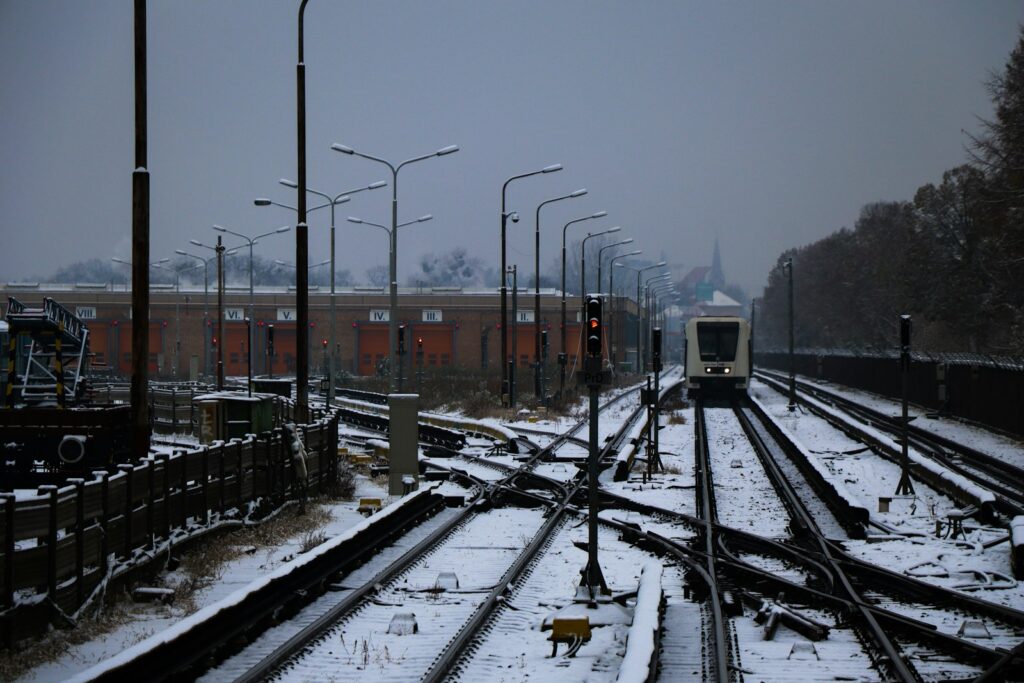

Railway Cabinets for Harsh Environments are specifically designed to protect critical railway equipment installed in locations where exposure to weather, vibration, contamination, and physical risk is unavoidable. Across the UK rail network, cabinets are routinely installed in challenging conditions that demand far more than basic enclosure performance.
Rail infrastructure operates year-round and in all weather conditions. Railway cabinets used in harsh environments must provide reliable protection for signalling, power, and communication equipment while maintaining long-term performance and safety.
Harsh environments can include open trackside locations, coastal routes, industrial areas, flood-prone zones, and high-traffic rail corridors. In these settings, cabinet design, material selection, and installation quality become critical.
For rail projects operating in challenging conditions, Alias Trading UK supports the delivery of railway cabinets designed for harsh environments. This includes cabinet solutions suitable for exposed trackside locations where weather, moisture, and environmental risk must be carefully managed.
What Defines a Harsh Railway Environment?
A harsh railway environment is any location where external conditions increase the risk of equipment damage or failure. These conditions may include prolonged exposure to rain, wind, moisture, dust, airborne contaminants, vibration from passing trains, temperature extremes, or increased risk of vandalism.
Railway cabinets for harsh environments must be capable of operating reliably despite these factors, without allowing water ingress, corrosion, or structural degradation.
Key Performance Requirements for Railway Cabinets for Harsh Environments
Railway cabinets installed in harsh environments must meet several essential performance requirements.
Environmental sealing is one of the most important factors. Cabinets must be designed to prevent water ingress while managing condensation and internal temperature changes. Poor sealing can lead to equipment failure and increased maintenance costs.
Structural strength is also critical. Cabinets may be exposed to vibration, accidental impact, or debris, so materials and construction methods must ensure long-term integrity.
Security is another major consideration. Harsh environments often include remote or publicly accessible locations, increasing the risk of vandalism or unauthorised access. Robust locking systems and strong cabinet construction help mitigate these risks.
Materials Used in Railway Cabinets for Harsh Environments
Material selection plays a major role in the performance of railway cabinets for harsh environments.
GRP (Glass Reinforced Plastic) is commonly used due to its corrosion resistance, low maintenance requirements, and suitability for long-term outdoor exposure. GRP cabinets perform well in wet, coastal, and chemically aggressive environments.
Steel railway cabinets may be selected where higher impact resistance or additional security is required. When used in harsh environments, steel cabinets typically require protective coatings or treatments to reduce the risk of corrosion.
The final material choice depends on site conditions, environmental exposure, and project risk assessments.
Typical Applications in Harsh Rail Environments
Railway cabinets for harsh environments are used across a wide range of applications, including mainline signalling routes, electrification systems, level crossings, remote control points, and communication infrastructure.
They are also commonly installed in locations with limited access, where reliability and long service life are especially important due to the difficulty of carrying out frequent maintenance.
Installation Considerations for Harsh Environments
Installing railway cabinets in harsh environments requires careful planning. Foundations must be designed to cope with ground conditions, drainage, and vibration. Cable entry points must be properly sealed to prevent water ingress, and cabinet positioning should consider wind exposure and accessibility.
Correct installation helps ensure that railway cabinets perform as intended throughout their operational life.
Why Railway Cabinets for Harsh Environments Matter
Using cabinets that are not designed for harsh environments can lead to premature equipment failure, safety risks, and increased lifecycle costs. Railway cabinets for harsh environments help protect critical assets, reduce maintenance intervention, and support reliable rail operations.
Internal and External Links
Internal links:
https://aliastradinguk.com/railway-cabinets
https://aliastradinguk.com/waterproof-cabinet-railways-uk
External resources:
https://www.networkrail.co.uk/industry-and-commercial/suppliers/
https://www.orr.gov.uk/
Railway cabinets for harsh environments are essential for protecting safety-critical equipment in challenging UK rail locations. By selecting appropriate materials, designs, and installation methods, rail projects can achieve long-term reliability, safety, and performance even in the most demanding conditions.