
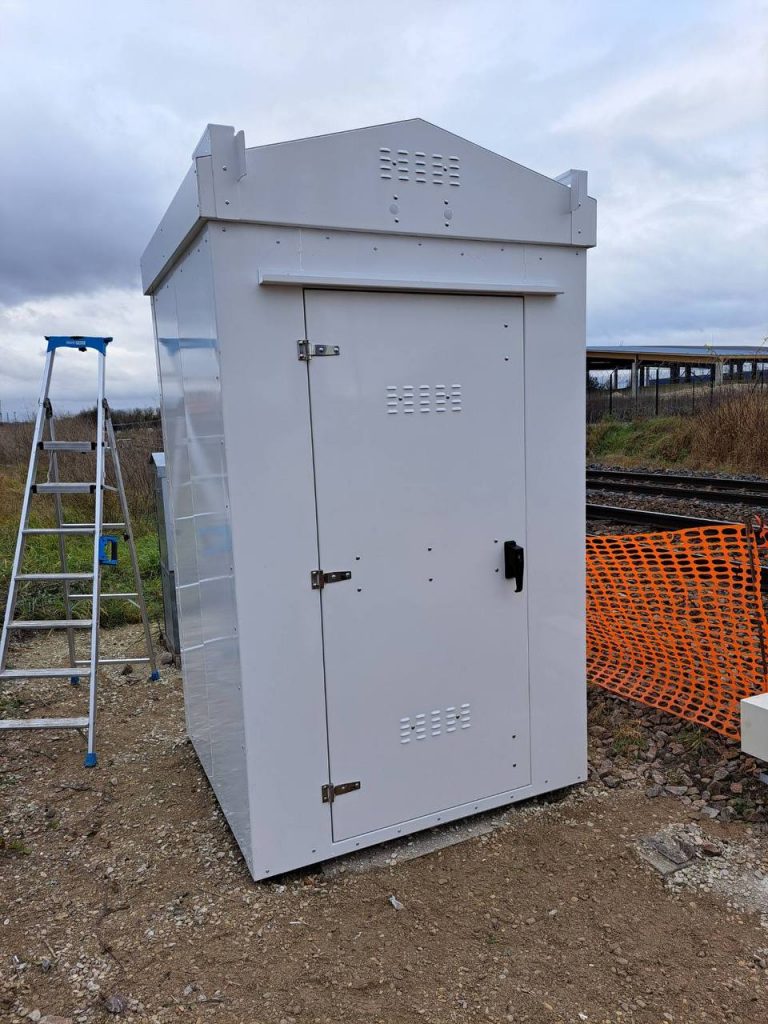

Railway Equipment Cabinets UK for Harsh Trackside Conditions
Railway equipment cabinets are designed to protect a wide range of critical systems installed along the UK rail network. These cabinets house equipment that supports signalling, power distribution, communications, monitoring, and control functions. In many cases, they are installed in some of the most challenging environments on the railway.
Trackside locations expose equipment cabinets to harsh conditions every day. Weather, vibration, public access, and limited maintenance windows all place pressure on cabinet design and construction. If a cabinet fails to protect the equipment inside, the result can be service disruption, increased maintenance costs, and safety concerns.
For this reason, railway equipment cabinets must be specified with care. ALIAS Trading UK supplies railway equipment cabinets designed to perform reliably in harsh UK trackside environments, focusing on durability, protection, and long-term operational performance.
What Are Railway Equipment Cabinets?
Railway equipment cabinets are secure enclosures used to house a broad range of rail systems installed outside controlled indoor environments. They are commonly found alongside tracks, in remote locations, near stations, within depots, and in infrastructure compounds.
Equipment typically housed inside railway equipment cabinets includes:
-
Signalling and control components
-
Electrical power and distribution equipment
-
Telecommunications and data systems
-
Monitoring and interface devices
Although the equipment varies, the cabinet’s role is always the same: to provide a stable, protective environment that allows systems to operate safely and reliably.
Why Harsh Trackside Conditions Matter
Trackside environments are among the most demanding locations for infrastructure equipment. Unlike indoor installations, trackside cabinets are continuously exposed to conditions that can degrade materials and components over time.
Harsh conditions commonly include:
-
Constant exposure to rain, wind, frost, and heat
-
Temperature fluctuations that cause expansion and contraction
-
Vibration from passing trains
-
Risk of impact, vandalism, or unauthorised access
Cabinets not designed for these conditions can deteriorate quickly, increasing the likelihood of equipment failure.
Weather Exposure and Environmental Stress
One of the most significant challenges for railway equipment cabinets is weather exposure. Cabinets must protect sensitive equipment from moisture and temperature extremes throughout the year.
Key weather-related risks include:
-
Water ingress damaging electrical components
-
Condensation forming inside poorly ventilated cabinets
-
Corrosion weakening cabinet structure and fixings
Effective weather sealing, material choice, and construction quality are essential to managing these risks.
Vibration and Mechanical Stress
Passing trains generate continuous vibration that affects nearby infrastructure. Over time, vibration can loosen fixings, damage joints, and stress cabinet structures.
Railway equipment cabinets must therefore be designed to:
-
Remain structurally stable under vibration
-
Protect internal equipment from mechanical stress
-
Maintain secure fixings and mounting arrangements
Failure to address vibration can lead to gradual degradation and increased maintenance requirements.
Public Access, Security, and Impact Risk
Many trackside cabinets are located in areas accessible to the public. This increases the risk of accidental damage, tampering, or deliberate vandalism.
Cabinet design must consider:
-
Robust construction to resist impact
-
Secure locking systems to prevent unauthorised access
-
Durable doors and panels that remain functional over time
Strong physical security protects both equipment and railway operations.
Rodents, Debris, and Environmental Contamination
Rodent ingress and environmental debris are common causes of equipment faults in trackside installations. Small access points can allow pests to enter cabinets, damaging cables and components.
Effective cabinet design includes:
-
Sealed access points
-
Robust cable entry systems
-
Internal layouts that minimise exposed cabling
Managing these risks helps prevent avoidable failures and service interruptions.
Materials and Construction for Harsh Environments
The materials used in railway equipment cabinets are critical to their performance in harsh environments. Cabinets must withstand years of exposure without significant degradation.
Important construction considerations include:
-
Corrosion-resistant materials suitable for outdoor use
-
Strong structural frames
-
Durable hinges, doors, and locking mechanisms
-
Effective weather sealing at all access points
High-quality construction reduces the need for frequent repairs and early replacement.
Internal Layout and Equipment Protection
Inside the cabinet, internal layout plays a key role in protecting equipment and supporting maintenance activities.
A well-designed cabinet provides:
-
Secure mounting for equipment
-
Clear separation between different systems
-
Logical cable routing and fixing points
-
Safe access for inspection and maintenance
Poor internal layout increases the risk of accidental damage and slows maintenance work.
Maintenance Access in Difficult Locations
Trackside cabinets are often located in areas with limited access. Maintenance work may need to be completed quickly during short possession windows.
Cabinet design should support:
-
Easy and safe access to internal components
-
Clear working space for engineers
-
Reduced need for complex disassembly
Good access design improves safety and reduces time spent on site.
Compliance and Rail Industry Expectations
Railway equipment cabinets installed in the UK must align with rail industry standards and project-specific requirements. Compliance ensures consistency, safety, and long-term reliability.
Typical expectations include:
-
Structural integrity and stability
-
Safe working conditions inside the cabinet
-
Secure access and controlled entry
-
Clear identification and labelling
Cabinets that do not meet these expectations can create delays and additional costs.
Installation Challenges in Harsh Trackside Locations
Installing cabinets in harsh trackside locations can be complex. Ground conditions, limited access, and proximity to live rail operations all affect installation planning.
Effective cabinet design supports:
-
Secure fixing to foundations or bases
-
Efficient handling and positioning
-
Safer installation during restricted access periods
Poor installation planning increases risk and long-term maintenance issues.
Long-Term Performance and Lifecycle Value
Railway equipment cabinets are long-term infrastructure assets. Their true value lies in their ability to protect equipment over many years with minimal intervention.
A cabinet designed for harsh conditions offers:
-
Reduced corrosion and degradation
-
Fewer maintenance visits
-
Lower risk of equipment failure
-
Extended service life
Focusing on lifecycle performance helps infrastructure owners manage costs and maintain reliability.
How ALIAS Trading UK Supports Harsh Environment Installations
ALIAS Trading UK supplies railway equipment cabinets with a clear understanding of harsh UK trackside conditions. The focus is on delivering cabinets that perform reliably in demanding environments.
This approach includes:
-
Selecting materials suitable for long-term outdoor exposure
-
Ensuring robust and secure construction
-
Supporting safe maintenance access
-
Considering full lifecycle performance
By focusing on real-world conditions, ALIAS Trading UK supports infrastructure projects that require dependable cabinet solutions.
Choosing the Right Railway Equipment Cabinet
When selecting equipment cabinets for harsh trackside conditions, decision-makers typically consider:
-
Environmental exposure and site location
-
Security and access risks
-
Maintenance requirements
-
Expected service life
Choosing the right cabinet from the outset reduces risk and supports reliable railway operations.
Conclusion
Railway equipment cabinets installed in harsh trackside conditions play a crucial role in protecting critical rail systems. They must withstand environmental stress, vibration, and security risks while supporting safe maintenance and long-term reliability.
Well-designed cabinets reduce failure risk, improve operational stability, and extend asset life. By supplying railway equipment cabinets focused on durability, protection, and lifecycle performance, ALIAS Trading UK supports reliable rail infrastructure across challenging UK environments.