
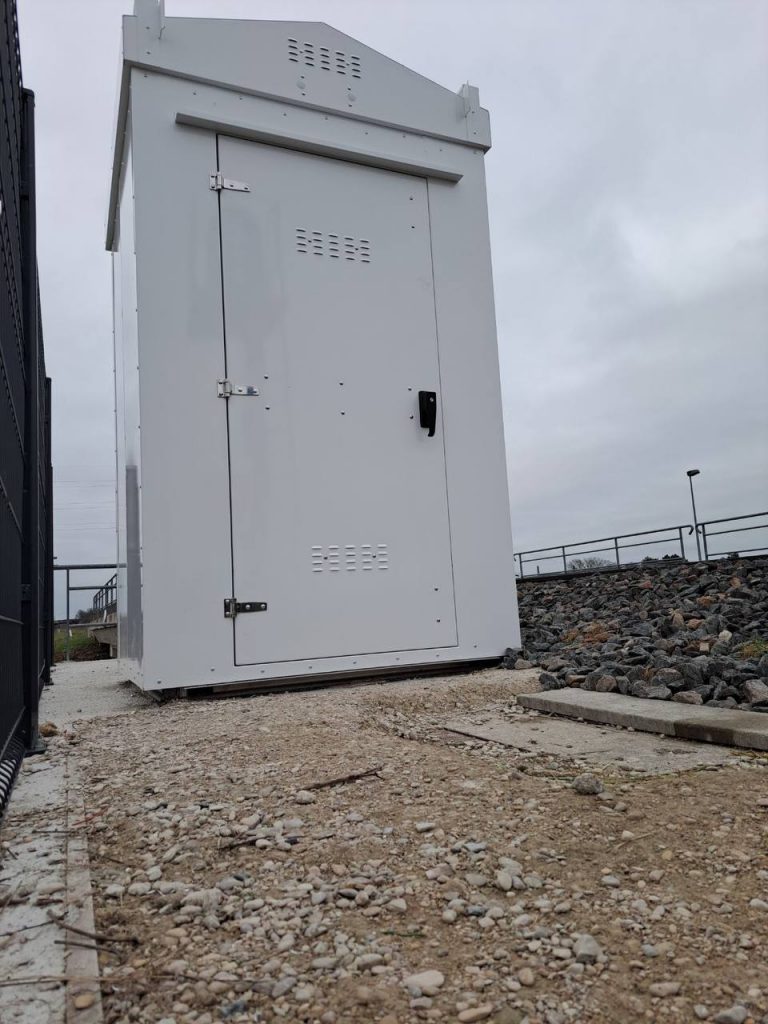

Sustainable Railway Cabinets UK are becoming an increasingly important consideration in modern rail infrastructure projects as the industry places greater emphasis on environmental responsibility, whole-life cost reduction, and long-term asset performance. Across the UK rail network, sustainability is no longer limited to rolling stock or energy systems. It now extends to the infrastructure components that support daily rail operations.
Railway cabinets play a critical role in housing signalling, power, and communication equipment. Their design, material selection, and lifecycle performance all influence the environmental impact of a rail project. Sustainable railway cabinets focus on durability, reduced maintenance, and responsible use of materials to support long-term infrastructure goals.
As sustainability becomes a greater focus in rail infrastructure, Alias Trading UK supports railway cabinet solutions designed for long service life and reduced maintenance. This approach helps rail projects balance environmental responsibility with operational reliability.
What Makes Railway Cabinets Sustainable?
Sustainability in railway cabinets is primarily achieved through longevity and reliability. Cabinets that remain operational for decades without frequent replacement reduce material waste and the environmental cost associated with manufacturing, transport, and installation.
Sustainable railway cabinets UK are designed to withstand harsh outdoor conditions without degrading prematurely. By reducing the need for frequent maintenance or replacement, these cabinets contribute to lower resource consumption over their lifecycle.
Another important factor is material efficiency. Cabinets manufactured from durable, corrosion-resistant materials reduce the need for coatings, repairs, or component replacement, further lowering environmental impact.
Material Selection and Environmental Performance
Material choice has a direct influence on the sustainability of railway cabinets.
GRP is commonly used in sustainable railway cabinets due to its corrosion resistance and long service life. GRP cabinets do not rust and maintain structural integrity in wet or chemically aggressive environments, reducing the need for repairs or protective treatments.
Steel railway cabinets can also be part of a sustainable strategy when designed for long-term use. Proper surface treatment and protective coatings help extend service life and reduce the environmental cost of replacement.
Selecting the right material based on site conditions helps ensure that cabinets perform reliably without unnecessary resource use.
Reducing Maintenance and Operational Impact
Maintenance activities carry an environmental cost through transport, labour, and replacement parts. Sustainable railway cabinets UK are designed to minimise maintenance requirements by resisting corrosion, water ingress, and physical degradation.
Reducing maintenance frequency not only lowers operational costs but also limits disruption to rail services and reduces the carbon footprint associated with repeated site visits.
Well-designed cabinets help ensure that internal equipment remains protected, reducing the likelihood of failures caused by environmental exposure.
Supporting Long-Term Infrastructure Planning
UK rail infrastructure projects are increasingly planned with long service life in mind. Sustainable railway cabinets align with this approach by offering consistent performance over many years.
Modular designs can further support sustainability by allowing cabinets to be expanded or adapted rather than replaced entirely. This reduces material waste and supports future upgrades without unnecessary removal of existing assets.
Rail projects aligned with Network Rail infrastructure strategies often prioritise solutions that deliver long-term value while minimising environmental impact.
Sustainable Installation Practices
Installation also plays a role in sustainability. Correct installation reduces the risk of premature failure and ensures that cabinets operate as intended throughout their lifecycle.
Well-designed foundations, proper sealing, and careful positioning help prevent water ingress and physical damage. These measures reduce the need for corrective work and extend cabinet lifespan.
Sustainable railway cabinets UK solutions are most effective when installation quality matches the design intent.
Compliance and Industry Direction
The UK rail industry continues to move towards more sustainable infrastructure solutions. Industry guidance and specifications increasingly consider whole-life performance rather than short-term cost alone.
Regulatory oversight from bodies such as the Office of Rail and Road reinforces the importance of resilient, reliable infrastructure that supports safe rail operations while reducing long-term risk.
By selecting sustainable railway cabinets, rail projects contribute to broader environmental objectives while maintaining operational performance.
Integration with Other Rail Assets
Sustainable railway cabinets UK are often specified alongside waterproof designs, anti-vandal features, and compliance with Network Rail standards. Together, these elements create robust infrastructure that performs reliably while reducing environmental impact over time.
A holistic approach to cabinet design ensures that sustainability does not compromise safety, security, or operational effectiveness.
Summary
Sustainable railway cabinets UK support modern rail infrastructure by delivering long service life, reduced maintenance, and responsible material use. By focusing on durability and whole-life performance, these cabinets help reduce environmental impact while maintaining the reliability and safety required across the UK rail network.