
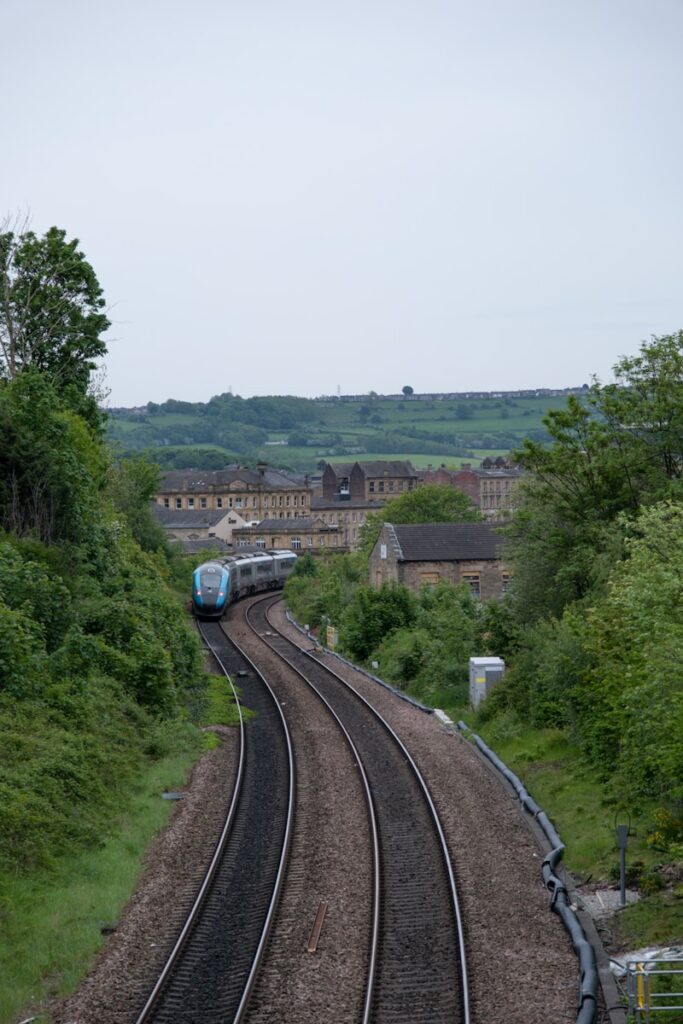

Trackside cabinets UK infrastructure projects demand precision from the outset — these are not general-purpose enclosures, but engineered assets that must protect critical equipment through extreme weather, mechanical vibration, contamination, and the security risks inherent in unmanned lineside locations. Specifying them correctly is as important as specifying the equipment they house.
This guide covers the full specification and procurement journey for trackside cabinets in the UK rail environment, written for engineers, project managers, and infrastructure buyers working in Network Rail-managed corridors and on privately operated lines.
What Are Trackside Cabinets and Where Are They Used?
Trackside cabinets are field-mounted enclosures installed adjacent to or near the operational railway, designed to house signalling, power, telecoms, or monitoring equipment that must be located close to the point of use rather than in a station or depot building. They are a fundamental component of UK rail infrastructure.
Common applications include signal relay rooms (smaller lineside versions), power distribution points, axle counter equipment housings, level crossing control units, telecoms repeater housings, and remote condition monitoring enclosures. Each application carries specific internal configuration requirements, but all share the same external environmental challenge: surviving the trackside environment for decades with minimal intervention.
The UK Trackside Environment: What Your Cabinet Faces
UK trackside locations present a combination of environmental stresses that does not have a direct equivalent in most industrial settings. Understanding these stresses is essential for correct specification.
Temperature variation is the starting point. Trackside cabinets in the UK must tolerate ambient temperatures from well below zero in winter to over 35°C in summer, with internal temperatures significantly higher due to solar gain — a south-facing metal cabinet roof on a clear July day can produce internal conditions approaching 70°C. Equipment rated to 55°C will not survive extended exposure to these conditions without proper thermal management.
Moisture and condensation are pervasive. Rain, ground water, condensation cycling, and occasional flooding in low-lying lineside locations all represent ingress risk. Cabinet seals, gaskets, and cable entries must be designed to remain effective over the full service life, not just at the point of installation.
Vibration from passing trains — both freight and high-speed passenger — imposes cyclic mechanical stress on fixings, cable terminations, and equipment mounts. Cabinets that are not designed for vibration resistance may suffer loosening fixings or cracked welds over time.
Contamination from diesel exhaust, oil mist, ballast dust, and vegetation is a further consideration, particularly in tunnels and cuttings where airflow is restricted. Ventilation designs must filter these contaminants without restricting necessary airflow.
IP Ratings and Ingress Protection for Trackside Use
For exposed trackside locations in the UK, IP65 is a commonly specified minimum — fully dust-tight and resistant to water jets from any direction. IP66 adds protection against powerful water jets and is appropriate where cabinet washing or high-pressure trackside flooding is a realistic scenario.
However, the IP rating of the enclosure shell is only part of the picture. Cable entry arrangements, gland sealing quality, gasket material specification, and the long-term integrity of door seals all determine whether the installed cabinet genuinely maintains its rated protection. It is common practice to specify that the IP rating applies to the complete assembled and installed enclosure, not simply the bare shell as supplied.
Gasket materials should be assessed for their expected service life under UV exposure and temperature cycling. EPDM rubber is commonly used and generally performs well in UK trackside conditions, but should be included in the maintenance schedule as a replacement item at appropriate intervals.
Material Selection: Steel, Stainless, GRP or Aluminium?
The choice of construction material for trackside cabinets in the UK depends on the site environment, expected service life, maintenance access frequency, and lifecycle cost target. No single material is universally correct.
Mild steel with hot-dip galvanising and a quality powder coat finish is widely used and cost-effective for inland, accessible locations. The combination provides reasonable corrosion protection, but surface damage from ballast impact or vandalism can allow corrosion propagation if not treated promptly. Inspection and touch-up maintenance are required.
Stainless steel — grade 316 for coastal or high-contamination environments, grade 304 for standard inland locations — offers significantly improved corrosion resistance and is appropriate where long service life with reduced maintenance is the priority. The weight and cost premium over mild steel is offset by reduced lifecycle maintenance costs in many projects.
GRP (glass-reinforced plastic) is increasingly specified for trackside cabinets where corrosion immunity, weight reduction, and thermal insulation properties are valued. GRP does not rust, does not require painting, and provides better thermal insulation than metal alternatives. Impact resistance needs to be verified for the specific application.
Aluminium alloy offers a good strength-to-weight ratio and natural oxide layer protection, but care must be taken to prevent galvanic corrosion where aluminium contacts steel components — a common failure mode where dissimilar metals meet in a wet environment.
Security Requirements for Unmanned Trackside Locations
Trackside cabinets in unmanned locations are regularly subject to attempted forced access. The security specification must reflect the site’s risk assessment and the criticality of the equipment inside.
Three-point locking mechanisms significantly increase resistance to forced entry compared to single-point locks. Anti-drill protection on lock cylinders prevents the most common attack method. Internal hinge design — with hinge pins that cannot be accessed or removed from outside — prevents door removal as an alternative attack route.
Padlock accommodation with shrouded or recessed hasps is standard practice in many lineside locations. The padlock specification itself — shackle diameter, shackle length, material — should be agreed with the site’s security authority and standardised across the project where possible.
Cabinet fixings to the base should use tamper-resistant fasteners. Where cabinets are installed on surface-mounted plinths rather than in-ground foundations, the plinth fixing design is part of the security assessment.
Thermal Management: Keeping Equipment Within Operating Range
Thermal management is one of the most frequently underspecified aspects of trackside cabinet design. Equipment manufacturers specify operating temperature ranges; the cabinet design must ensure those ranges are maintained through a UK seasonal cycle.
For cabinets in exposed southern-facing locations, solar gain calculations should inform the ventilation or cooling specification. Filtered ventilation louvres with appropriate mesh sizing are the standard passive approach, and will handle moderate heat loads in well-shaded or north-facing positions. High heat loads or exposed southern locations may require forced-air ventilation or, in more demanding cases, active cooling units.
Anti-condensation heaters — thermostatically controlled to activate when the cabinet approaches the dew point — are standard practice in trackside signalling enclosures throughout the UK. They should be specified with appropriate power supply provision and included in the cabinet’s maintenance schedule.
All ventilation openings must be fitted with insect and vermin mesh. Mesh specifications that prevent rodent access are essential; uncovered or damaged mesh has allowed cable damage from rodents in multiple UK infrastructure incidents.
Foundation, Base, and Installation Planning
The installation of trackside cabinets on the operational railway is governed by the possession process. Possessions are planned in advance, carry fixed start and finish times, and impose significant cost penalties for overruns. Installation planning must be completed in detail before any possession is taken.
Concrete bases or plinths typically require a separate prior possession for formation, pouring, and curing. Base dimensions and bolt pattern must be confirmed against the cabinet manufacturer’s specification before the base possession is planned. Errors at this stage can result in cabinets that do not align with their bases — a costly problem to resolve under possession time pressure.
Cabinet weights and dimensions determine the lifting equipment and personnel required. Confirm these at procurement stage, not when the cabinet arrives on site. Vehicles, plant, and access routes need to be planned around the actual cabinet specification.
Cable troughing, earthing arrangements, and cable first-fix should be coordinated with the cabinet installation possession where possible. Separating these into multiple possessions increases total possession count and overall programme cost. Explore ALIAS Trading UK’s railway cabinet installation services for support with installation planning and coordination.
Documentation and Asset Management
Trackside cabinets installed in UK rail infrastructure are assets that require documentation, configuration control, and traceability throughout their service life. The documentation package agreed at contract stage should reflect the asset management regime of the infrastructure owner.
As-built wiring diagrams — reflecting the actual installation, not just the design — are essential for any future maintenance or modification work. Equipment schedules listing all installed items with manufacturer references, ratings, and serial numbers allow future maintainers to procure direct replacements. Cable schedules with conductor identification prevent errors during cable modification or fault-finding.
Material certificates for the cabinet construction — particularly for stainless steel or specialist finishes — may be required for compliance with the project’s quality plan. Test records for IP testing at factory acceptance stage provide baseline evidence that the enclosure met its specification before dispatch.
Inspection, Maintenance, and Lifecycle Cost
A well-specified trackside cabinet will be visited many times over a 20–40 year service life. The ease and efficiency of each maintenance visit is determined by decisions made at specification stage — and those decisions have a direct impact on whole-life cost.
Internal layout should allow components to be replaced without disturbing adjacent wiring. Doors should open fully and remain open without assistance. Terminal blocks, fuses, and equipment should be clearly and durably labelled. Cable identification should be consistent with the documentation held by the maintainer.
External inspection items — surface finish condition, gasket integrity, lock and hinge function, cable entry seal condition, base fixing security — should be defined in a maintenance schedule agreed at handover. Deferring maintenance on any of these items typically leads to more significant remedial work later in the asset’s life. See our overview of meeting Network Rail standards for trackside enclosures for further guidance on maintenance and compliance expectations.
Common Specification Errors and How to Avoid Them
Specifying the cabinet before the internal equipment schedule is finalised is the most common and consequential error. The cabinet must be sized for its contents — getting this sequence wrong results in cabinets that are too small, too large, or configured with cable entries in the wrong locations.
Selecting materials based on purchase price rather than lifecycle cost is a persistent problem in infrastructure procurement. A lower-cost cabinet that requires remediation within five years will typically cost more over its asset life than a higher-specification unit. This is particularly true in trackside locations where any maintenance visit carries access and possession costs beyond the labour and materials directly involved.
Failing to verify that the IP rating applies to the complete assembled installation — rather than the shell alone — allows moisture-related failures that the specification was supposed to prevent. Confirm this explicitly at both procurement and handover stages.
Leaving cable entry design to the installation team is a risk that regularly results in poorly sealed entries and incorrect gland sizing. The gland plate arrangement should be agreed as part of the design process, not resolved on site during a possession.
What to Prepare Before Approaching a Supplier
A supplier can provide better technical support and more accurate pricing when the following information is available: site location and environment type (exposed lineside, coastal, tunnel, cutting, embankment); internal equipment schedule with heat outputs; cable schedule with quantities, conductor sizes, and segregation requirements; required service life; security classification; base type and fixing arrangement; and documentation requirements imposed by the asset owner or principal contractor.
Having this information ready before the first conversation significantly reduces the number of design iterations required and allows the supplier to identify potential issues — such as thermal or cable entry conflicts — early in the process.
Practical Checklist: Specifying Trackside Cabinets in the UK
- Confirm site location type and environment (exposed, coastal, tunnel, cutting) before specifying material grade.
- Establish the full internal equipment schedule and heat load before sizing the cabinet.
- Specify IP rating for the complete assembled and installed enclosure, not the shell alone.
- Include anti-condensation heater provision with thermostat in the power supply design.
- Agree cable entry arrangement, gland plate layout, and sealing method before the cabinet is manufactured.
- Confirm cabinet weight and dimensions before planning the installation possession.
- Specify base dimensions and bolt pattern to match the cabinet — confirm curing time before the main installation possession.
- Agree security specification (locking, anti-drill, hinge type, base fixings) with the project security authority.
- Define the documentation package (as-builts, equipment schedules, material certificates, test records) at contract stage.
- Include a maintenance schedule covering external inspection items, gasket replacement intervals, and heater testing.
- Assess lifecycle cost alongside purchase price — factor in inspection intervals, surface finish maintenance, and expected service life.
Frequently Asked Questions: Trackside Cabinets UK
What IP rating is required for trackside cabinets in the UK?
IP65 is a commonly specified minimum for exposed trackside locations — fully dust-tight and resistant to water jets from any direction. IP66 is appropriate where high-pressure water exposure is a realistic risk. The rating must apply to the complete assembled installation, including all cable entries and glands, not just the enclosure shell.
What material is best for trackside cabinets in coastal locations?
Stainless steel grade 316 is commonly specified for coastal trackside locations due to its resistance to chloride-rich environments. GRP is also a strong option, offering corrosion immunity without the weight of stainless steel. Mild steel, even with galvanising and powder coating, tends to require more frequent maintenance in coastal corridors.
How do you manage condensation in trackside cabinets?
Anti-condensation heaters — thermostatically controlled to activate near the dew point — are standard practice in UK trackside signalling enclosures. They prevent moisture accumulation on internal surfaces and equipment, and should be included in the power supply design and maintained as part of the routine inspection schedule.
What security features should trackside cabinets include?
Three-point locking, anti-drill protection on lock cylinders, internal or concealed hinges, tamper-resistant base fixings, and shrouded padlock hasps are common provisions. The specific security level should be agreed with the project’s security authority based on the site’s risk assessment and the criticality of the equipment housed.
How long should trackside cabinets last?
Service lives of 20–40 years are typically expected for trackside infrastructure assets in the UK. Material specification, surface finish quality, gasket design, and structural build quality should all reflect this expectation. Lower-cost cabinets that require significant remediation or replacement within a decade rarely represent value over the asset lifecycle.
When should cable entry arrangements be finalised for trackside cabinets?
Cable entry arrangements — gland plate layout, entry positions, gland sizes, and sealing method — should be finalised as part of the design process, before the cabinet is manufactured. Leaving this to the installation team on site during a possession is a significant risk to both the IP rating and the programme.
What documentation is required for trackside cabinets in a managed railway environment?
Typical requirements include as-built wiring diagrams, equipment schedules, cable schedules, IP test records, material certificates, and a maintenance plan. The full documentation scope should be agreed with the engineering authority or asset owner before procurement, not at handover.
Can standard industrial enclosures be used as trackside cabinets?
Standard industrial enclosures are not typically suitable for exposed railway trackside applications. They are generally designed for lower environmental loading and may not meet the structural, ingress, vibration, or security requirements of the trackside environment. Using a non-railway enclosure in a railway application carries both technical and liability risk and should be avoided without formal engineering assessment.
Working with ALIAS Trading UK on Trackside Cabinet Specification
Trackside cabinet specification involves a large number of interdependent decisions — material, thermal management, cable entry, security, base design, documentation — that are best resolved before procurement, not after delivery. Getting the sequence right reduces risk, avoids possession overruns, and delivers assets that perform reliably over their full service life.
ALIAS Trading UK supports buyers, engineers, and project managers across the UK on the specification, selection, and installation planning of trackside cabinets designed for UK rail environments. Whether you are at early design stage or finalising a procurement package, the team can assist with enclosure selection, thermal assessment, cable entry design, and documentation support.
To discuss your trackside cabinet requirements, visit our railway cabinets page or get in touch directly. No obligation — just practical guidance from people who work in this sector every day.