
Use Case: Improving Rodent Resistance at an Exposed Signalling Location
A use case for replacing a vulnerable enclosure with an integrated, rodent-resistant cabinet rather than relying only on short-term sealing materials.
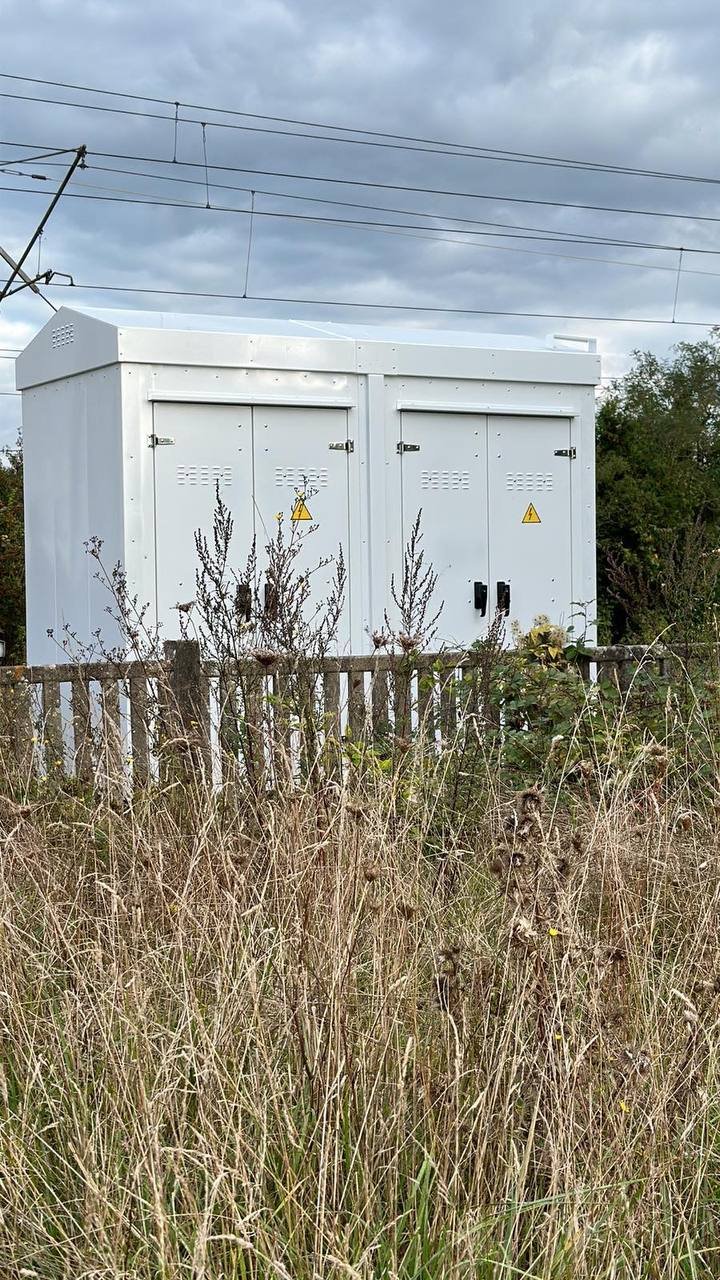
This is an illustrative engineering use case based on documented ALIAS product capabilities. It is not a named customer project, a site-specific design or a performance guarantee.
The site risk
An exposed signalling location has a history of pest activity around cable routes and equipment enclosures. Previous maintenance has focused on filling visible gaps, but the effectiveness of local repairs has reduced as materials age, move or become damaged.
The asset owner needs a more durable approach that treats the cabinet as an integrated protective assembly rather than a collection of temporary sealing products.
Define the protection boundary
Rodent resistance must be defined carefully. SafeBox RT includes cabinet doors, hinges, locks, gaskets, protected cable interfaces and passive ventilation features that form part of the enclosure design.
The surrounding building fabric, cable troughs, wall penetrations, unused ducts and third-party attachments remain separate risks. Replacing the cabinet does not remove the infrastructure manager’s responsibility for those external interfaces.
Why an integrated cabinet design is preferable
Local consumables can be useful maintenance measures, but they do not automatically provide a long-term enclosure strategy. An integrated cabinet allows the door system, cable entries, ventilation, seals and mechanical protections to be assessed together.
SafeBox RT is designed as a rodent-resistant modular signalling enclosure. The wording is deliberately not an absolute promise: performance depends on the complete installed condition, including how cables, glands, bases and external devices are treated.
Survey checklist
- Record evidence of entry points, nesting, contamination or cable damage.
- Inspect the concrete base and the interface between the cabinet and surrounding ground.
- Map every cable, duct, gland and unused opening.
- Identify external antennas, sockets, boxes or brackets that may affect sealing.
- Confirm ventilation requirements and ensure protective features do not obstruct airflow.
- Review nearby structures that could provide a path into the cabinet.
- Define cleaning, inspection and post-installation monitoring requirements.
Replacement method
Where the internal equipment and wiring are suitable for retention, the new enclosure can be planned around them. This may reduce intrusive work on serviceable signalling assets while allowing the cabinet boundary to be renewed.
The installation sequence should include controlled removal of the old enclosure, protection of exposed equipment, fitting of the new cabinet, treatment of cable interfaces and verification that all designed seals and ventilation components are present.
Maintenance after installation
A rodent-resistant cabinet still requires inspection. Door seals, ventilation filters, roof ventilation features, cable entries and external attachments should be checked for damage or unauthorised modification.
The maintenance plan should also cover the wider site. New gaps in adjacent structures or unsealed spare ducts can create a route that was not present when the cabinet was installed.
The intended outcome
The intended outcome is a defined and inspectable protection boundary around the signalling equipment, supported by a cabinet design that addresses pest intrusion as part of the enclosure rather than as an afterthought.
This use case is strongest when the cabinet replacement is combined with a site-wide interface review. It should not be presented as an absolute rodent-proof guarantee or as a replacement for continued infrastructure maintenance.
ALIAS Engineering
We design and install modular enclosures for signalling, telecom and energy assets across European rail networks. Field notes from our installation teams are published here as they are cleared.