
Use Case: Managing Trackside Cabinet Temperature Without Powered Cooling
How a passively regulated cabinet can help protect trackside signalling equipment without drawing cooling power from the equipment housed inside.
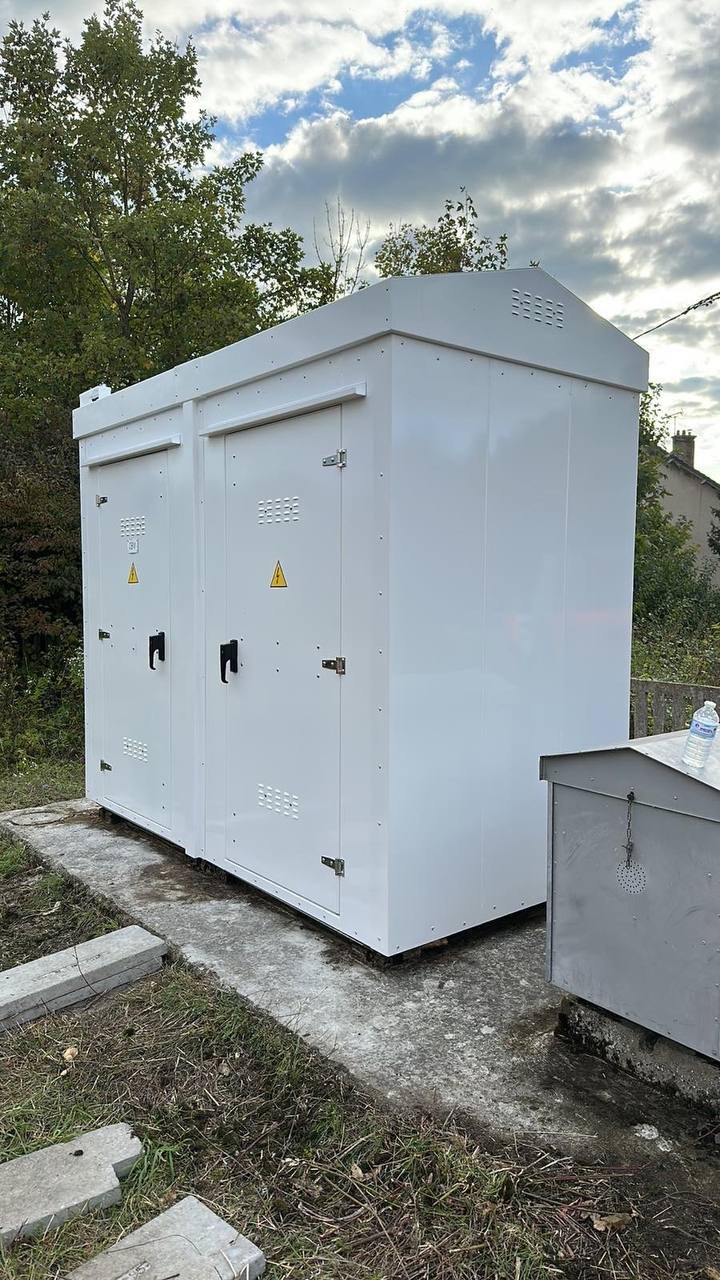
This is an illustrative engineering use case based on documented ALIAS product capabilities. It is not a named customer project, a site-specific design or a performance guarantee.
The operational problem
Trackside equipment can be exposed to solar gain, restricted airflow and changing external temperatures. In an ageing enclosure, poor ventilation, damaged seals or unsuitable modifications may make the internal environment harder to manage.
Project teams may consider powered cooling, but that can introduce additional electrical demand, moving parts, maintenance tasks and failure modes. The better first question is whether the cabinet can achieve the required internal conditions through its enclosure design and passive airflow.
The use case
The site contains signalling or control equipment that must remain within an acceptable operating environment. The asset owner wants to renew the enclosure and improve thermal behaviour without relying on energy from the installed equipment to power a cooling system.
The replacement must also remain maintainable, protect against dust and water ingress to the specified level, and allow the retained equipment layout to be assessed as part of the complete cabinet configuration.
The SafeBox RT approach
SafeBox RT uses passive thermo-regulation. Its specified performance is that the internal temperature does not exceed the external ambient temperature by more than 7°C. This is achieved without drawing power from the equipment inside the cabinet.
Passive regulation does not mean that every equipment type can be installed without calculation. Heat output, cabinet size, equipment spacing, filters, vents, solar exposure and the selected ingress-protection configuration all influence the final design.
Engineering assessment before selection
- Confirm the external temperature range and the site’s exposure to direct sunlight.
- Identify the heat output and permitted operating temperature of every retained or proposed item.
- Review internal clearances so that airflow paths are not obstructed.
- Confirm whether IP54 standard protection is suitable or whether the IP65 option is required.
- Assess dust, moisture, condensation and maintenance conditions together rather than as separate issues.
- Check how external devices and cable entries affect sealing and airflow.
- Define inspection and filter-maintenance requirements.
Why passive regulation matters
A passive approach can reduce dependence on fans, compressors or auxiliary supplies. This may simplify the enclosure system and avoid adding maintenance-intensive cooling equipment where it is not required by the thermal assessment.
It also makes the cabinet’s thermal function part of the physical design rather than a separate powered subsystem. That can be useful at remote sites or locations where additional electrical loads and maintenance visits should be kept proportionate.
Installation and handover considerations
The installation team must protect the designed airflow path. Filters, ventilation strips, gaskets and door interfaces need to be fitted and inspected correctly, while unused glands and external attachments must remain sealed.
Handover information should identify the selected cabinet configuration, the assumptions used in the thermal review and the maintenance actions required to preserve performance. A future modification that blocks ventilation or adds heat-producing equipment can invalidate the original assessment.
Appropriate use of the specification
The 7°C figure is a defined cabinet-performance parameter, not a guarantee that any internal equipment will remain within its permitted temperature range under every condition. The final design must compare the expected internal environment with the actual requirements of the installed equipment.
Used in this way, SafeBox RT offers a practical route to passive thermal management as part of a wider, project-specific enclosure design.
ALIAS Engineering
We design and install modular enclosures for signalling, telecom and energy assets across European rail networks. Field notes from our installation teams are published here as they are cleared.